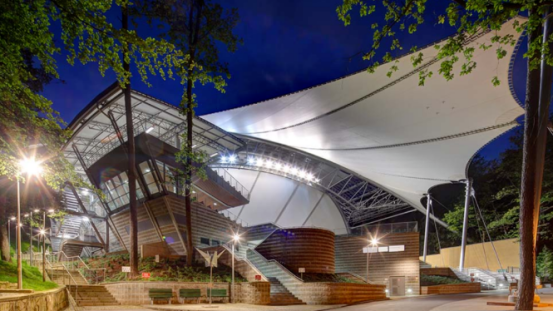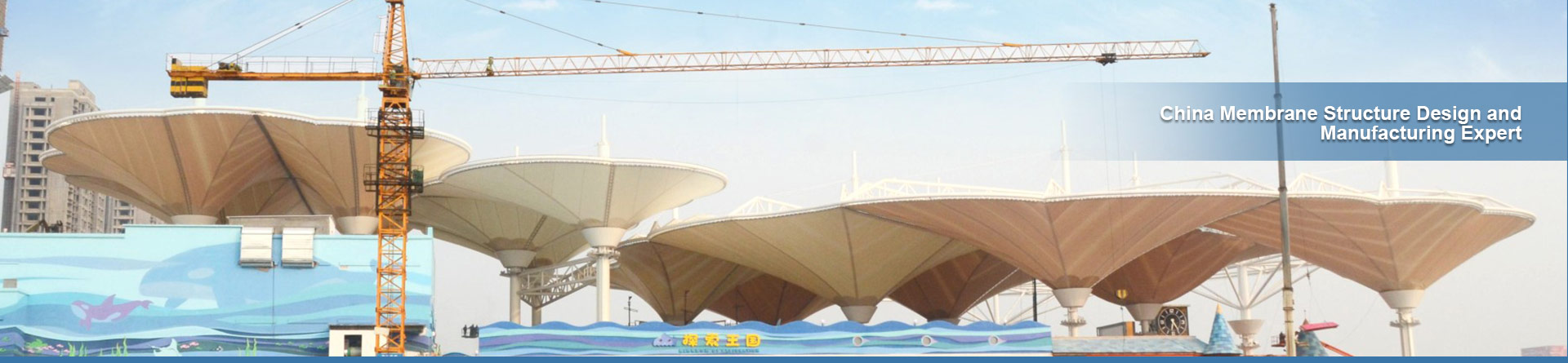
Search
The origin of architecture is inseparably linked to nomadic peoples. In order to adapt to a nomadic lifestyle, early humans constructed portable outwell tents using wooden frames, animal skins, and the shade of trees. Around 40,000 years ago, the invention of woven fabrics made such shelters lighter in weight, and this feature became a fundamental aspect of many nomadic cultures, including those of the Bedouins and Native Americans.
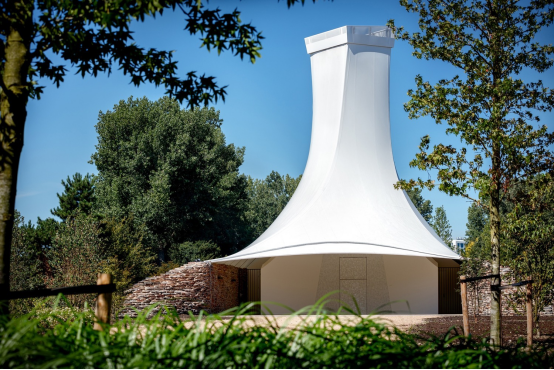
Textile structures, such as tensile membrane structures, ETFE membrane , and photovoltaic textiles, have evolved from temporary constructions to permanent landmarks due to their lightweight, energy-efficient, flexible, and aesthetically pleasing characteristics. Their key advantages include the ability to create large-span, column-free spaces; dynamic, curved surface shapes; rapid, modular construction methods; excellent light transmission and shading properties; and the potential to integrate functions such as photovoltaic power generation. These types of structures combine sustainability, economic efficiency, and artistic expression, making them an important direction in modern architectural innovation.
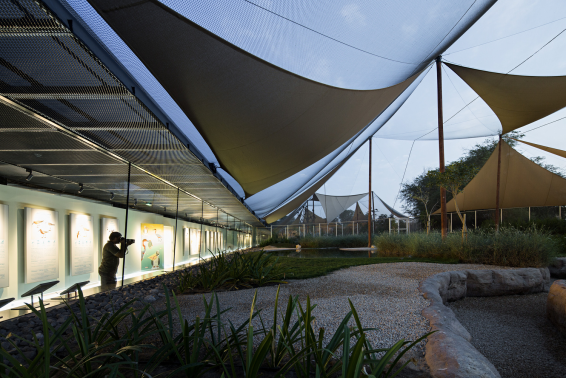
Tensile fabric structure is a construction technique that utilizes the tension in fabric membranes between supporting elements to create vibrant and visually striking exterior walls and roofs. This technology employs high-strength fabrics, such as PTFE-coated glass fiber or PVC-coated polyester, which are known for their durability, weather resistance, and semi-transparency. The fabric is stretched over a structural framework, resulting in surfaces that are elegant, lightweight, and rich in color.
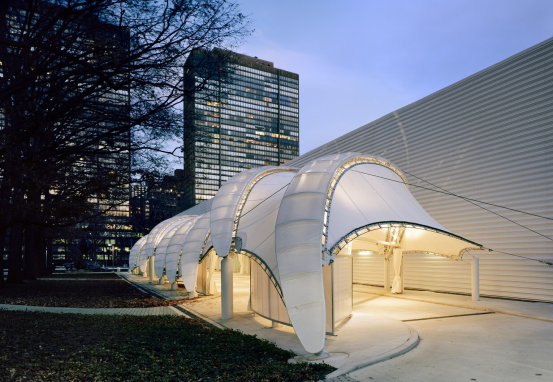
In contemporary sustainable architecture, flexible textiles have become an important type of permanent building material, widely used in the construction of exterior walls and roofs. Advanced, durable membrane materials such as ETFE and PTFE endow these textiles with excellent weather resistance, light transmittance, and malleability, thus giving rise to a highly specialized field of textile-based construction.


Copyright © Zhejiang Wanhao Group Co., Ltd. All Rights Reserved.
Sitemap | Technical Support