Search
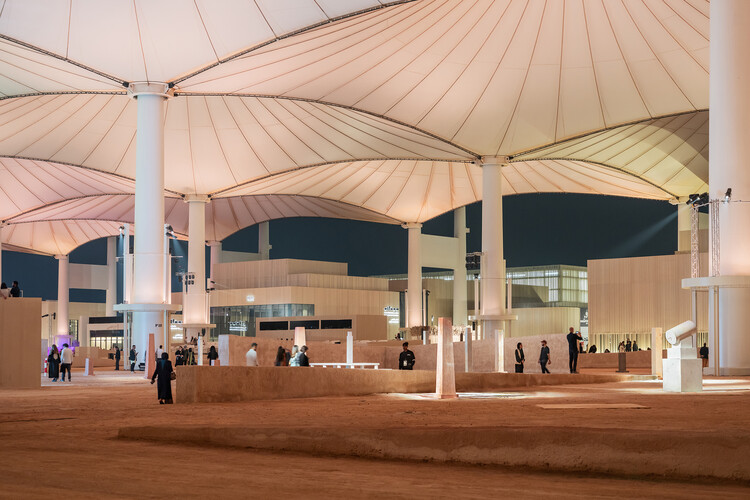
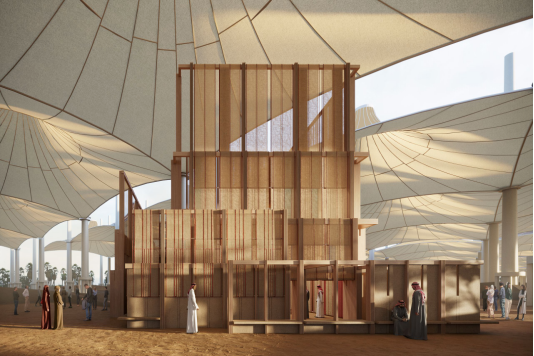
The hot, dry climate in Saudi Arabia, with its intense sunlight, imposes strict requirements on building materials: they must be able to withstand high temperatures, resist ultraviolet radiation, be lightweight and sustainable, and be easy to maintain. The Western Hajj Terminal’s roof membrane makes use of PTFE environmentally friendly material.And the first Islamic Art Biennial was held in the Western Hajj Terminal, The exhibition featured a wide range of ancient handicrafts as well as contemporary artworks from various parts of the world.
SOM reinterpreted the design style of glamping tents and created this incredible structure. When it was completed in 1981, it became the largest building in the world to be supported by cables and covered with a fabric roof. Its most distinctive feature is the PTFE membrane used for the roof,PTFE is a material with outstanding properties, renowned for its durability, weather resistance, and versatility in architectural design.
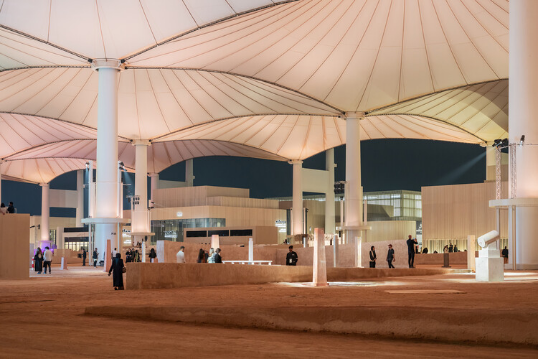
The unique architectural design of Hajj Terminal creates a space that is both stunning and fully functional, capable of withstanding the harsh climatic conditions of the desert. The use of high-quality materials allows natural light to penetrate freely, the chimneys formed simultaneously also serve a function of dissipating heat.At the same time, these roofing materials also effectively protect the building from various natural elements.
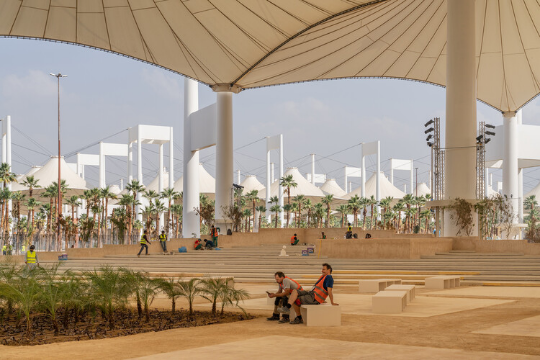
Saudi Arabia has the potential to create a series of exemplary membrane structure buildings that combine environmental friendliness, functionality, aesthetic appeal, and cutting-edge technological features. In doing so, it can contribute its own “Saudi solution” to the global development of sustainable architecture.


Copyright © Zhejiang Wanhao Group Co., Ltd. All Rights Reserved.
Sitemap | Technical Support